

Ski Jackets: Casual vs. Advanced Skiers
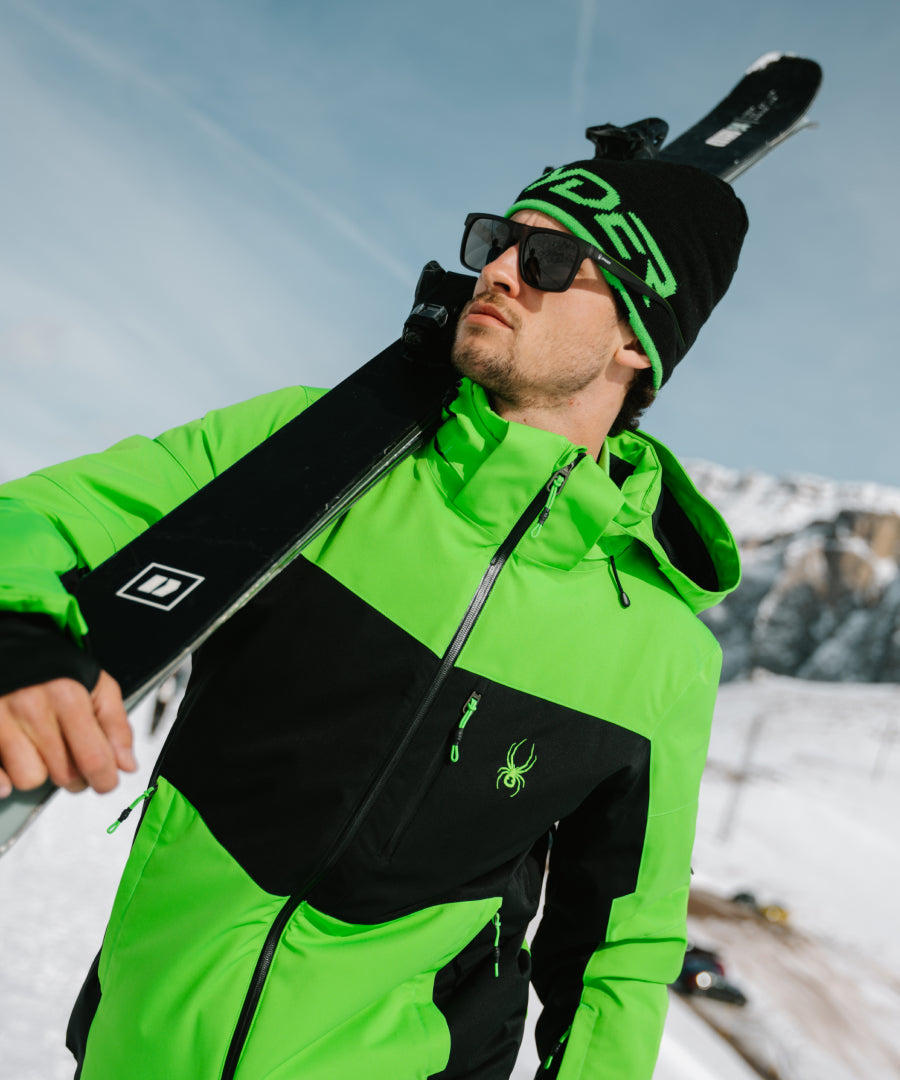
CHOOSING THE RIGHT JACKET AS YOU PROGRESS
SKILL LEVEL CHANGES MORE THAN YOUR TURNS ON THE MOUNTAIN, IT CHANGES WHAT YOU NEED FROM A JACKET. HERE’S HOW PRIORITIES SHIFT AS YOU PROGRESS, SO YOU CAN BUY FOR THE SKIER YOU ARE NOW (AND WHERE YOU’RE HEADED).

WHAT CASUAL SKIERS SHOULD PRIORITIZE
Beginner, casual or new skiers spend a lot of time doing things advanced skiers don’t: standing in lift lines, taking breaks, falling (a lot), and sitting in snow while getting back up. That changes the ideal feature set. Look for:
- Higher insulation (100g–150g) casual skiers move less and spend more time stationary, so extra warmth matters more than breathability.
- A reliable powder skirt falls in beginner terrain often mean snow finding its way up the jacket hem.
- Waterproof rating of 10K–15K sufficient for typical resort conditions and repeated contact with wet snow.
- Simple, forgiving fit room to layer generously underneath while you’re still figuring out your personal warmth preferences.
- Durability over lightness beginner falls are frequent; a slightly heavier, tougher fabric handles that better than an ultralight shell.

WHAT ADVANCED SKIERS SHOULD PRIORITIZE
Experienced skiers move faster, ski harder, and generate more body heat — but they also push into more variable conditions, off-piste terrain, and longer days. Look for:
- Lower or mapped insulation (0g–80g) high-output skiing generates plenty of internal heat; too much built-in insulation causes overheating.
- Higher waterproof rating (15K–20K+) advanced skiers spend more consecutive hours in variable weather, including storms.
- Pit zips and core vents critical for dumping heat during aggressive, high-exertion runs or bootpacks.
- Articulated, athletic fit a closer, more mobile cut that won’t flap or catch during dynamic movement.
- RECCO® valuable as advanced skiers venture into more remote or ungroomed terrain.

A SIMPLE WAY TO DECIDE
Ask yourself two questions:
- How much am I actually moving on the mountain? More stationary time (lessons, lift lines, cautious runs) = more insulation. More active time (steep terrain, moguls, trees) = less insulation, more venting.
- What conditions am I skiing in? Occasional groomer days need less waterproofing than frequent storm days or backcountry access.
A NOTE ON GROWING INTO YOUR GEAR
If you’re a beginner who plans to progress quickly, it’s worth choosing a jacket with vents and a slightly higher waterproof rating even if you don’t need maximum breathability yet. You’ll grow into the performance features faster than you’d expect, and a well-vented jacket still works fine at a beginner pace (you just won’t need to open the vents as often).

THE BOTTOM LINE
There’s no single “best” ski jacket, only the best jacket for how you currently ski. Beginner and casual skiers benefit from warmth and simplicity; advanced skiers benefit from breathability and range of motion.
Read more
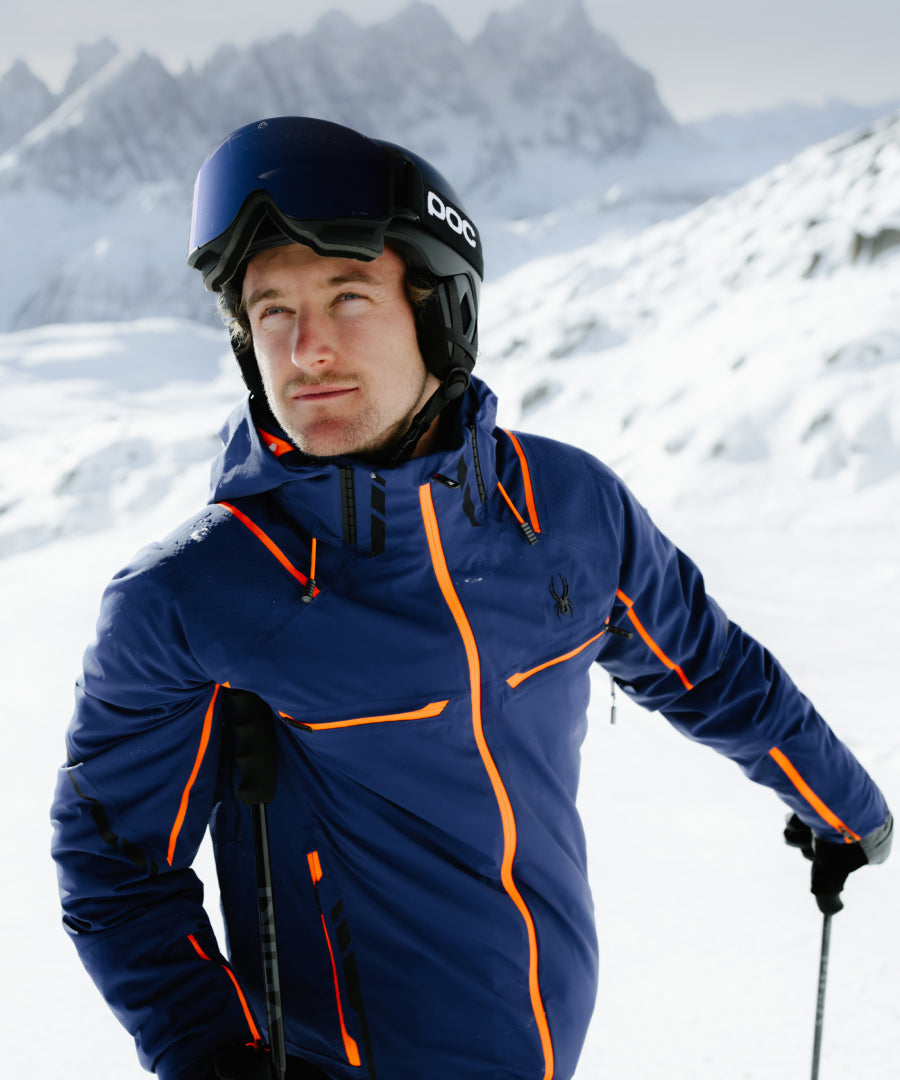
HOW INSULATION RATINGS AFFECT WARMTH PICK UP TWO SKI JACKETS THAT LOOK NEARLY IDENTICAL, AND YOU MIGHT NOTICE ONE HAS A TAG READING “60G INSULATION” WHILE THE OTHER SAYS “150G.” THAT NUMBER IS ONE ...
UNDERSTANDING 10K VS. 20K VS. 30K IF YOU’VE SHOPPED FOR A SKI JACKET, YOU’VE SEEN THE NUMBERS STAMPED ON THE HANGTAG: 10K, 20K, 30K. THEY LOOK TECHNICAL, BUT THE CONCEPT BEHIND THEM IS SIMPLE AND K...